Understanding the Current Landscape of Ciclismo
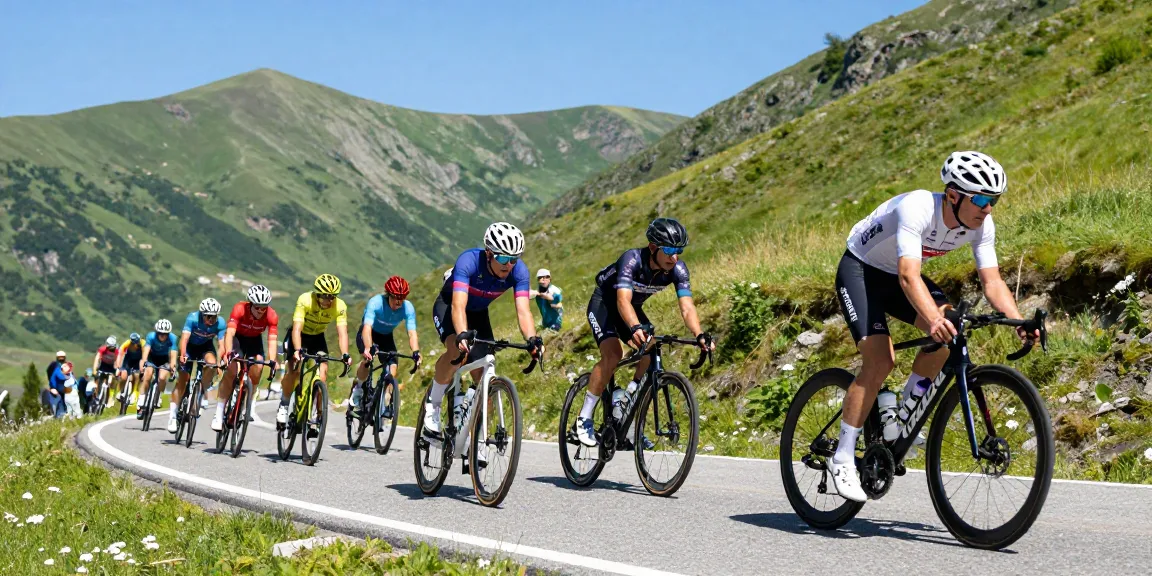
The world of ciclismo is currently undergoing transformative changes as we approach the major cycling events of 2026. A combination of innovative technology, shifting market dynamics, and evolving athlete needs is shaping the future of this beloved sport. From the MTB World Championships to the Vuelta a España, teams and athletes are adapting to these developments while striving for excellence. With key competitors emerging and historical rivalries reigniting, the landscape is as competitive as ever.
Trends Influencing Cycling in 2026
Several notable trends are influencing the cycling industry as we gear up for major events in 2026. One significant trend is the increasing involvement of technology in cycling. Advanced analytics for performance tracking, enhanced bike designs, and state-of-the-art gear are revolutionizing how cyclists train and compete. Additionally, cycling has seen a surge in popularity, especially among younger demographics. As more people gravitate towards sustainable transportation and fitness, cycling is no longer just a sport but also a lifestyle choice.
Moreover, the profitability and visibility of cycling have been boosted by the rise of social media. Fans now follow their favorite athletes and teams more closely than ever, providing athletes with a platform to engage directly with their audience. This digital interaction creates a vibrant community that can significantly impact sponsorship opportunities and athlete branding.
Key Competitors and Market Dynamics
The competitive landscape for ciclismo is characterized by prominent athletes such as Tadej Pogačar, Mathieu van der Poel, and Remco Evenepoel, each showcasing extraordinary skills that captivate audiences worldwide. Teams like UAE Team Emirates and Jumbo-Visma have secured their places as powerhouses in road cycling, thanks to their strategic recruitment and investment in athlete development.
As we approach the MTB World Championships, the spotlight is also on the emerging talents from various cycling teams. With 13 athletes from Canyon set to compete, including stars like Van der Poel and Rissveds, the championships promise to showcase thrilling performances. Furthermore, athletes' involvement in emerging markets and sponsorship negotiations is shifting, leading to new partnerships that can transform the sport.
Challenges Facing Athletes and Teams
Despite advancements, challenges persist within the ciclismo community. Athletes face physical and mental pressures that can impact their performance. Issues like burnout, injuries, and the pressure to maintain peak performance add layers of complexity to their careers. Additionally, teams must navigate the financial landscape, balancing investments in athlete development with the need for profitability in a competitive market.
As cycling events grow in prominence, managing logistics for races becomes a greater challenge. Teams need to ensure their transportation, equipment, and accommodations are meticulously planned to maintain peak performance during competitions.
Preparing for Major Events: Best Practices
Preparing for major cycling events requires considerable planning and strategy across various domains, including training, nutrition, and mental fortitude. Athletes and teams that apply best practices tend to outperform their competitors, especially during high-stakes competitions like the Vuelta and the MTB World Championships.
Training Regimens for Competitive Ciclismo
A well-structured training regimen is crucial for competitive cyclists. Athletes typically engage in a mix of endurance, strength training, and skill development to maximize their potential. For instance, high-intensity interval training (HIIT) has gained popularity, helping cyclists improve their anaerobic capacity and explosive power, which are essential for sprinting and climbing.
Additionally, cyclists often utilize periodization, a training technique that involves varying their training intensity and volume throughout the year. This approach allows athletes to peak at critical events, giving them an edge over competitors.
Nutrition and Recovery Strategies
Nutrition plays a pivotal role in an athlete's performance. Cyclists must consume a balanced diet rich in carbohydrates, proteins, and healthy fats to support high training volumes and recovery. Recent research has also highlighted the importance of hydration strategies and electrolyte balance during races, as they can significantly affect performance.
Furthermore, recovery strategies such as foam rolling, massage, and adequate sleep are essential for athletes to prevent injuries and maintain optimal performance levels. Athletes are increasingly focusing on mental recovery through mindfulness and visualization techniques, which enhance focus and performance under pressure.
Importance of Mental Resilience in Cycling
Mental resilience is often what separates elite athletes from their competitors. Successfully navigating the psychological demands of high-stakes races can lead to significant advantages in performance. Techniques such as goal-setting, positive self-talk, and mental visualization can be incredibly beneficial.
Moreover, team dynamics and support systems play a crucial role in an athlete's psychological well-being. Building a cohesive team culture can foster a supportive environment that enhances mental toughness, aiding athletes in overcoming challenges during competitions.
Spotlight on Major Cycling Competitions
Major cycling events showcase the pinnacle of athletic excellence, attracting global attention and inspiring future generations of cyclists. Understanding the nuances of these competitions is crucial for fans, aspiring athletes, and teams alike.
2026 MTB World Championships Overview
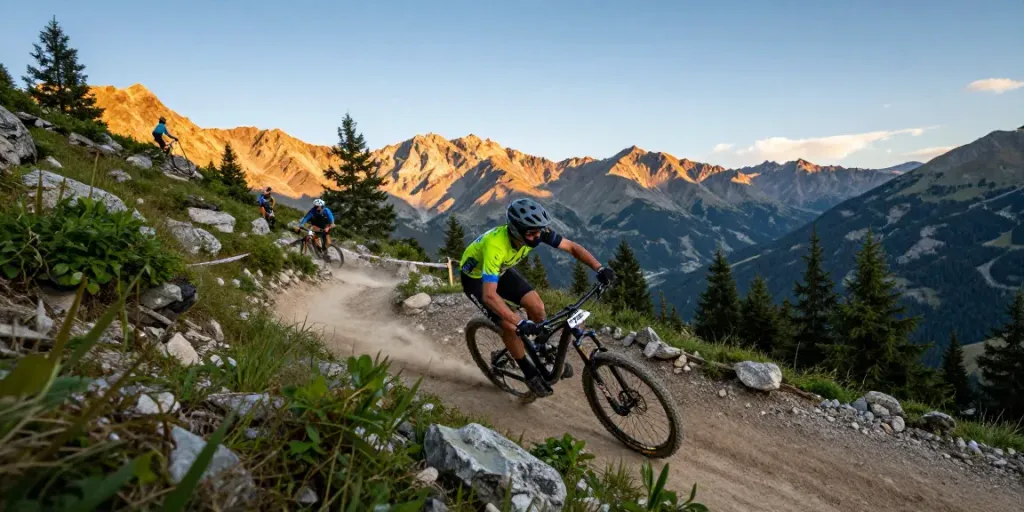
The MTB World Championships in Val di Sole will feature some of the most thrilling competitions in the sport, highlighting the skills of top athletes across various terrains. With 13 Canyon athletes set to compete, the championships aim to provide a platform for both established and emerging talents. Fans are eagerly awaiting performances from luminaries like Van der Poel, whose prowess in both cross-country and downhill disciplines makes him a formidable contender.
Analysis of the Vuelta 2026 Performance
The Vuelta a España is renowned for its challenging routes and intense competition. The 2026 edition features a diverse array of stages that test climbers, sprinters, and time trial specialists. Riders such as Tadej Pogačar have consistently demonstrated remarkable performance on the steep climbs, further solidifying their status as competitors to watch.
With surprises around every corner, the Vuelta often showcases breakthrough performances. For instance, Andreas Leknessund's solo triumph at Valdelinares captured the essence of perseverance and strategy that defines the event.
Insights from the Bretagne Classic 2026
The Bretagne Classic has established itself as a key race in the cycling calendar, drawing attention for its scenic routes and competitive spirit. The 2026 race is anticipated to feature fierce competition among the best cyclists, making it a crucial event for participants looking to bolster their standings in the cycling community.
Insights from previous editions reveal that the race often favors those who can navigate both flat and hilly terrains effectively. Observing the tactics employed by top competitors will be essential for teams and fans alike as they analyze what it takes to succeed in such a demanding environment.
Ciclismo Innovations: Equipment and Technology
Technological advancements are reshaping the ciclismo industry, enhancing performance and athlete experiences in intricate ways. From advanced cycling gear to innovative techniques in bike design, these changes pave the way for a more exciting future in cycling.
Latest Advances in Cycling Gear
Recent years have seen a surge in innovative cycling gear, including lightweight materials, aerodynamic designs, and enhanced comfort features. Manufacturers are continually researching and developing equipment that optimizes cyclists' performance on various terrains. For instance, the introduction of smart helmets that track vital metrics and provide real-time feedback is revolutionizing safety and performance monitoring.
Impact of Technology on Performance
Data analytics is becoming increasingly integral to training and performance evaluation in ciclismo. Athletes utilize performance tracking devices to analyze metrics such as heart rate, power output, and cadence. These insights are crucial for tailoring training regimens and race strategies, allowing cyclists to fine-tune their approach to optimize performance.
Future Trends in Bike Design and Construction
Future trends in bike design emphasize sustainability and innovation. Manufacturers are exploring eco-friendly materials and processes, paving the way for more sustainable production practices within the cycling industry. The adoption of electric assist technology is also gaining traction, making cycling accessible to a broader audience while pushing the boundaries of traditional cycling.
Strategic Marketing in Ciclismo
As the cycling landscape evolves, so do the marketing strategies employed by teams and athletes. Building a strong brand presence and engaging with audiences can create significant opportunities for growth and sustainability in the cycling industry.
Building Brand Partnerships and Sponsorships
Strategic partnerships and sponsorships are essential for teams aiming to secure financial stability. Collaborating with brands that align with the cycling ethos can help enhance visibility and credibility. Effective marketing campaigns that highlight the unique aspects of cycling can attract new sponsors and contribute to long-term growth.
Utilizing Social Media for Athlete Promotion
Social media platforms have transformed the way athletes connect with fans and promote themselves. Athletes who actively engage with their audience through platforms like Instagram and Twitter not only foster loyalty but also enhance their marketability to sponsors. Sharing content that showcases behind-the-scenes experiences, training routines, and personal stories enhances relatability and interest.
Engaging with Cycling Communities and Fans
Engagement with local cycling communities can create a solid foundation for athlete and team branding. Organizing community events, participating in local races, and collaborating with grassroots initiatives can help build a loyal fanbase. By fostering relationships within cycling communities, athletes can enhance their visibility and create lasting connections that contribute to their overall success.